Our Beginnings
The Alta Lake Sports Club developed organized cross country skiing and events in Whistler, and with the RMOW, transformed Lost Lake from a volunteer-run trail network into a municipally supported cross-country trail system, laying the groundwork for increased use, the creation of Whistler Nordics, and the next phase of organized cross-country skiing in Whistler.
-
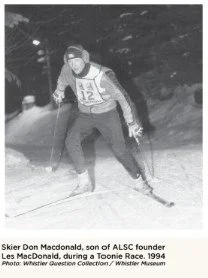
Whistler Nordics was founded on January 25, 1984, at a public meeting held at the Delta Mountain Inn. More than fifty people attended, with thirty joining the club that evening, an early sign of strong local interest. Led by founding president Stephanie Sloan and other community members, the new club aimed to further formalize cross-country skiing in Whistler while remaining community-focused. From the outset, Whistler Nordics aligned with Cross Country BC, gaining access to coaching standards, training resources, and a broader provincial race circuit.
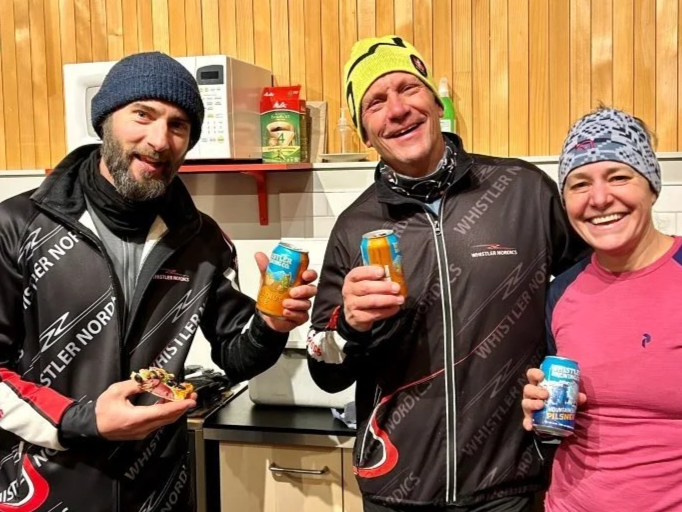
Early member-led activities blended sport and social life: waxing clinics, potlucks, film nights, and instructional sessions were as central to the club’s identity as competitions. While the Alta Lake Sports Club continued to play a role in racing and trail stewardship, Whistler Nordics increasingly became the organizational home for recreational and developmental cross-country skiing in Whistler.

-
Throughout the late 1980s and 1990s, Whistler Nordics built a diverse and accessible program centered on Lost Lake. The introduction of the dynamic skate-skiing technique in the late 1980s attracted new members, and the club began hosting regular races for all ages and abilities. These included weekly events and signature races such as the annual Loppet, often paired with social gatherings like glühwein nights and potlucks. These events emphasized participation as much as performance and helped establish the club as a social hub for cross-country skiing.
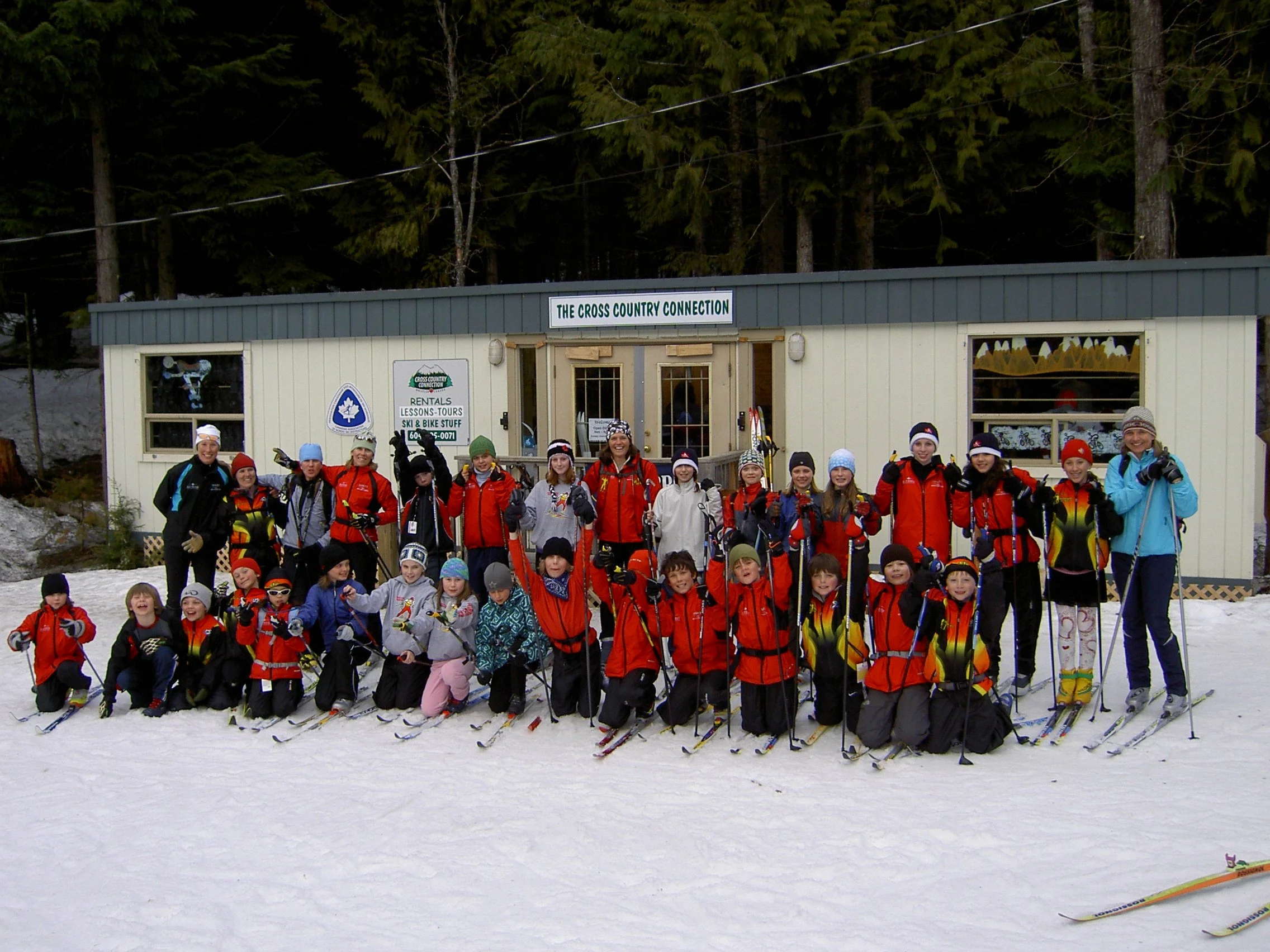
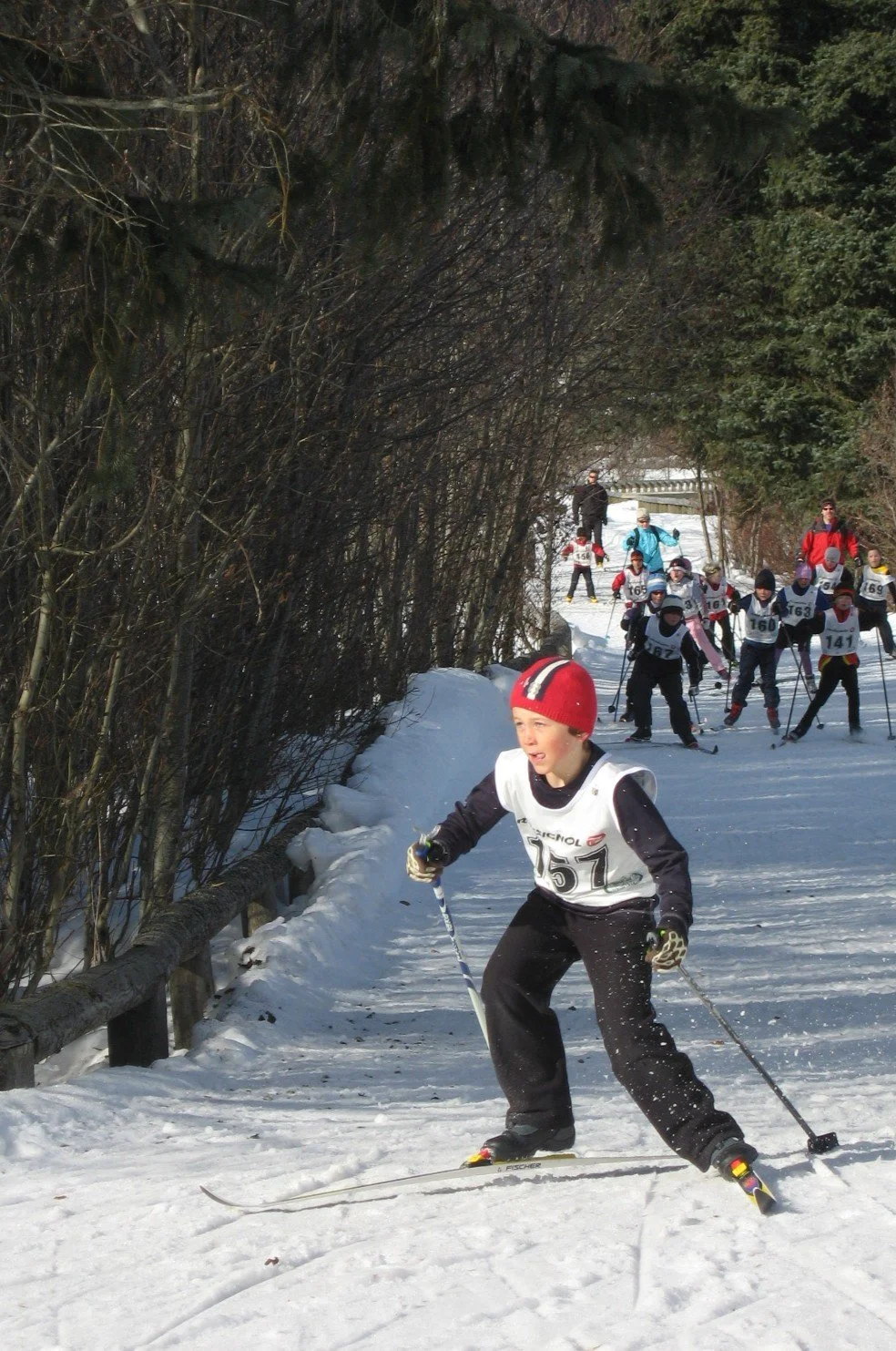
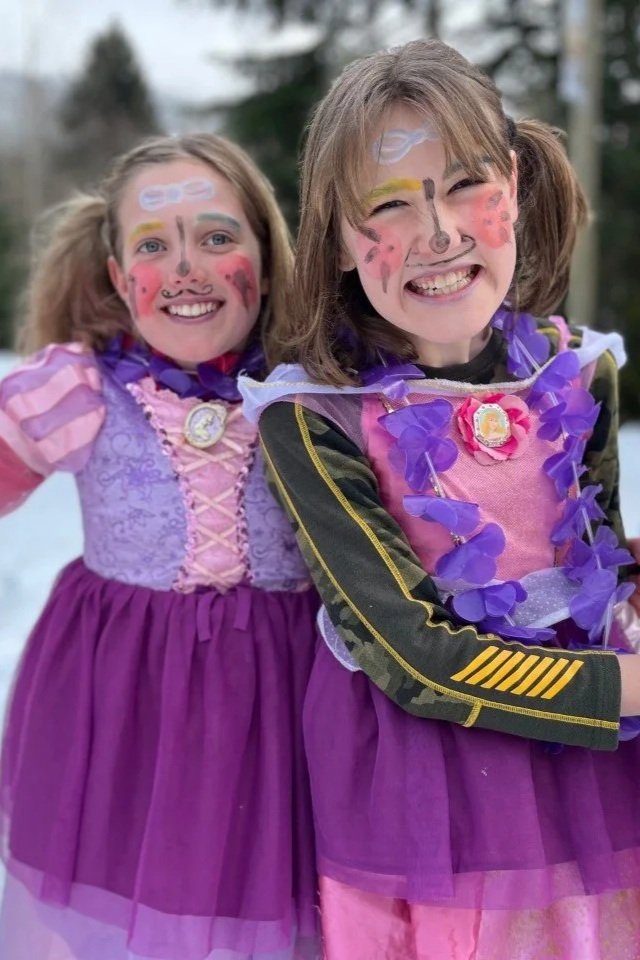
One of the club’s most lasting contributions was its commitment to youth development. Inspired by the national Jackrabbit program and led by volunteers including Cheryl Morningstar, Whistler Nordics introduced structured instruction for children focused on skill development, enjoyment, and affordability, supported by annual equipment swaps and other fundraising. Volunteer coaches, often parents, formed the backbone of these programs, creating pathways from introductory skiing to competition.
As Whistler grew in the lead-up to the 2010 Olympic and Paralympic Winter Games, Whistler Nordics entered the late 2000s with an established race culture, strong youth programs, and members competing at national levels.

-
The lead up to the 2010 Olympic and Paralympic Games saw a huge investment in cross-country skiing across Whistler. The newly opened Whistler Olympic Park, built to host all the Nordic sports including cross-country giving local skiers access to longer seasons, a larger trail network, and played host with the support of the regional cross country club community, to national and international training events.
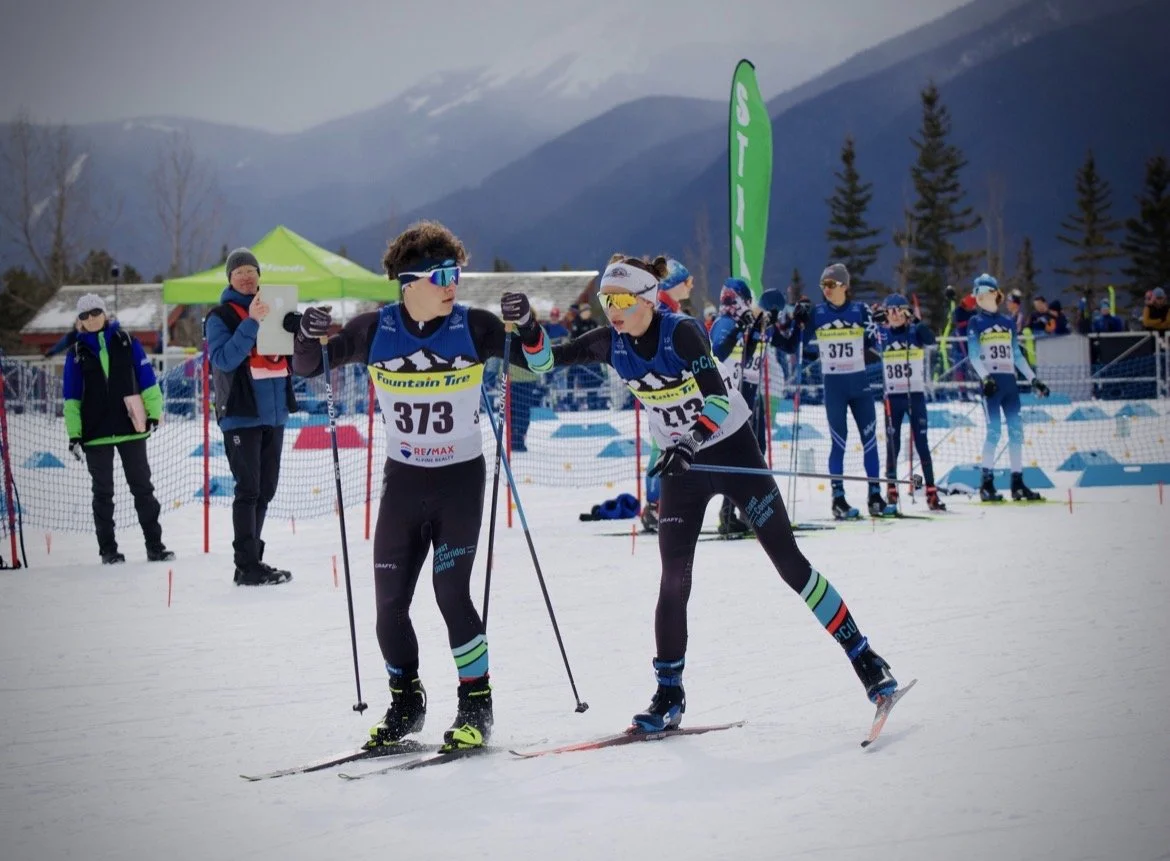
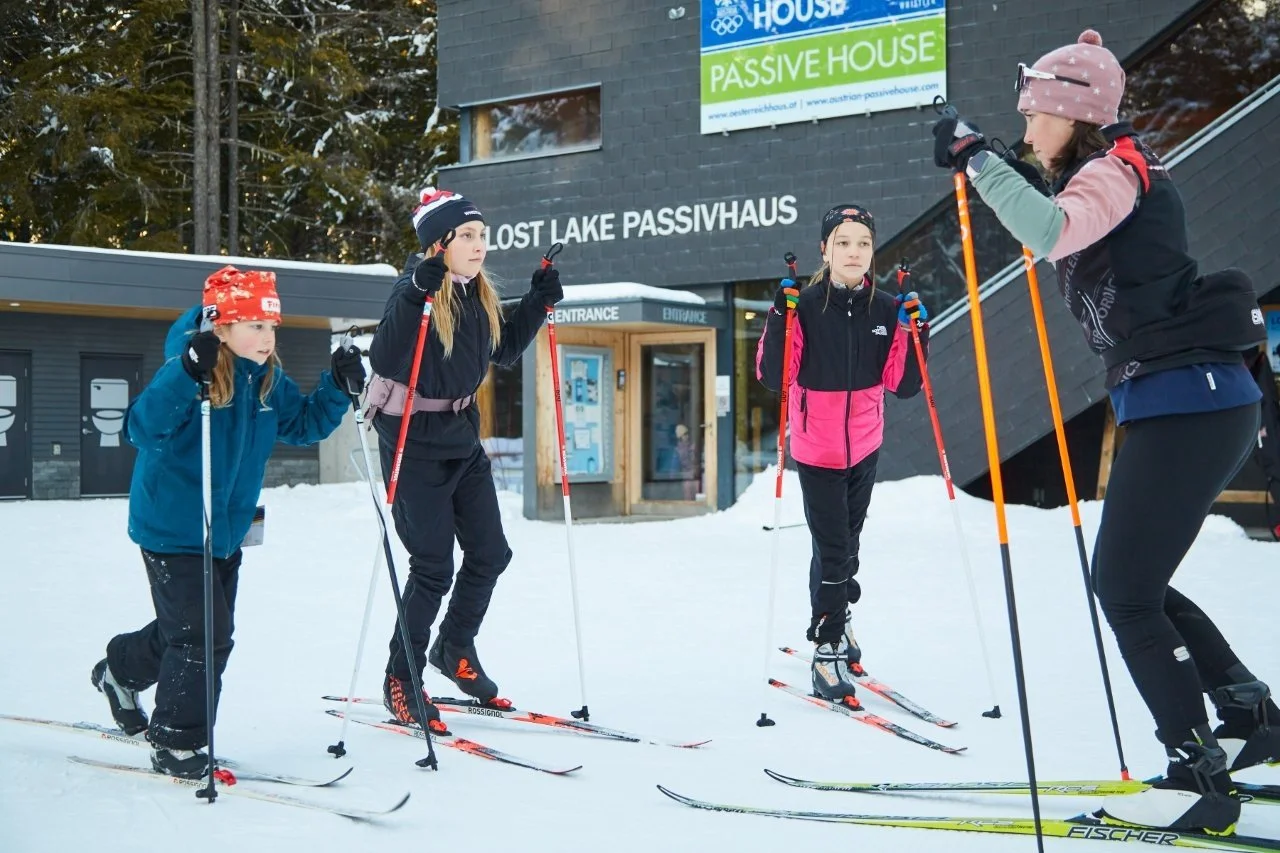
The Olympic facilities reshaped more than infrastructure it transformed athlete development in the Sea to Sky corridor. In 2007, Whistler Nordics strengthened its coaching and training structure with the hiring of its first paid head coach, Marie Lundgren, alongside a growing network of volunteer and parent-coaches. Programs based at Lost Lake and serving youth throughout the Sea to Sky expanded to include Whistler Olympic Park. Weekly practices, dryland training, and race-focused development created pathways for youth and adult athletes as they progressed from Jackrabbit lessons to provincial teams, national championships, and international competition.
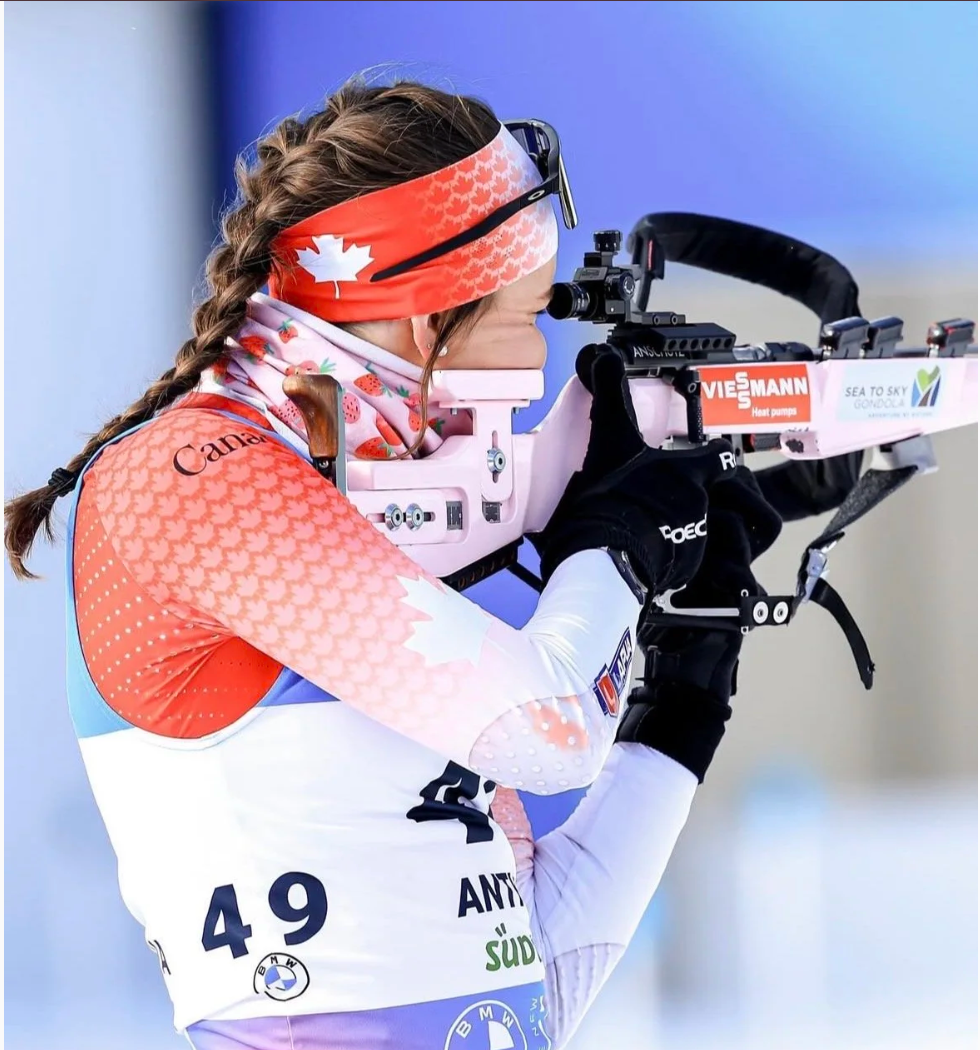
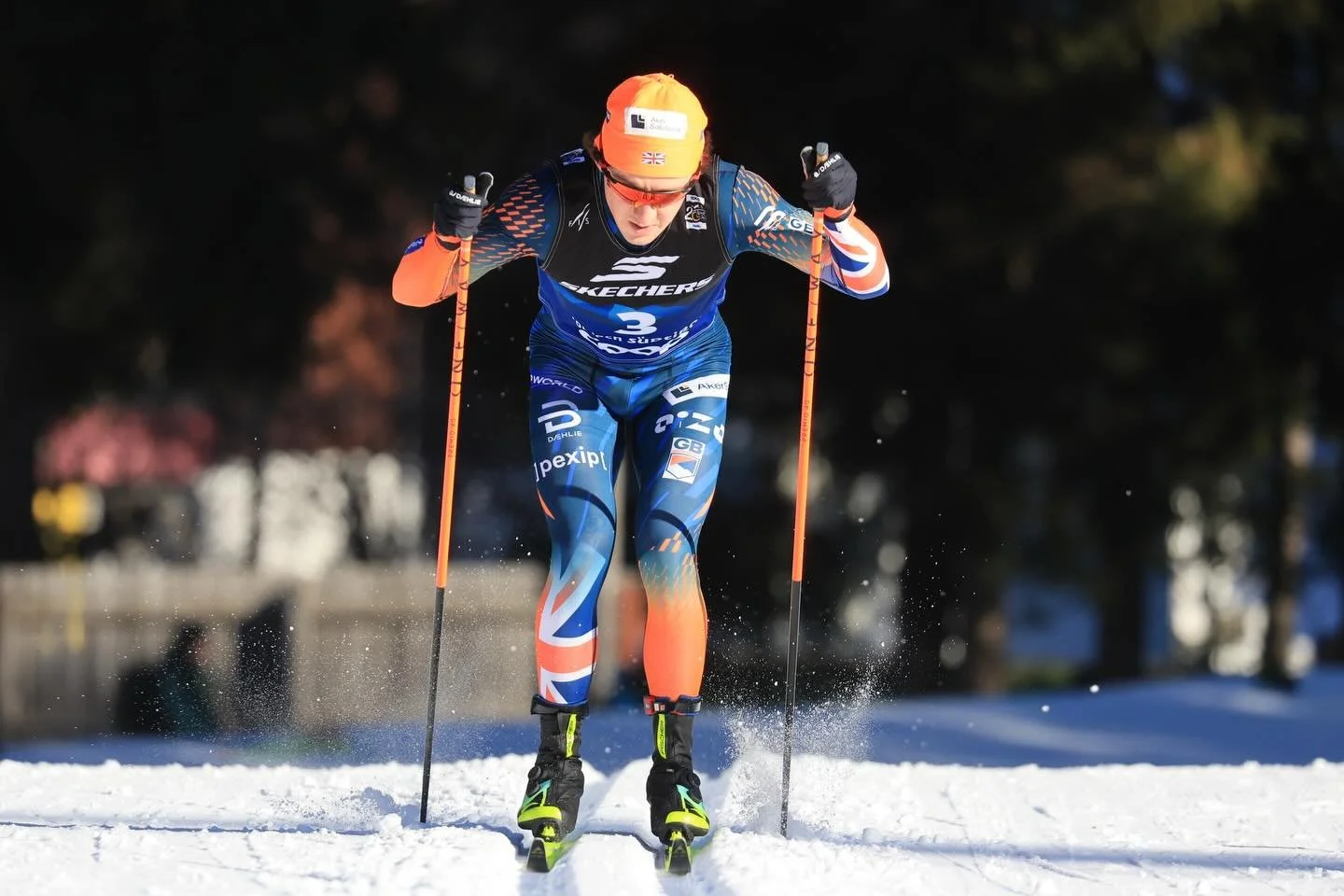
Many skiers who began as children around 2010 have since advanced to national-team pathways, with athletes such as Benita Peiffer and Joe Davies representing the next generation connected to Whistler Nordics and competing at the 2026 Olympic Winter Games in Milano–Cortina, Italy.
-
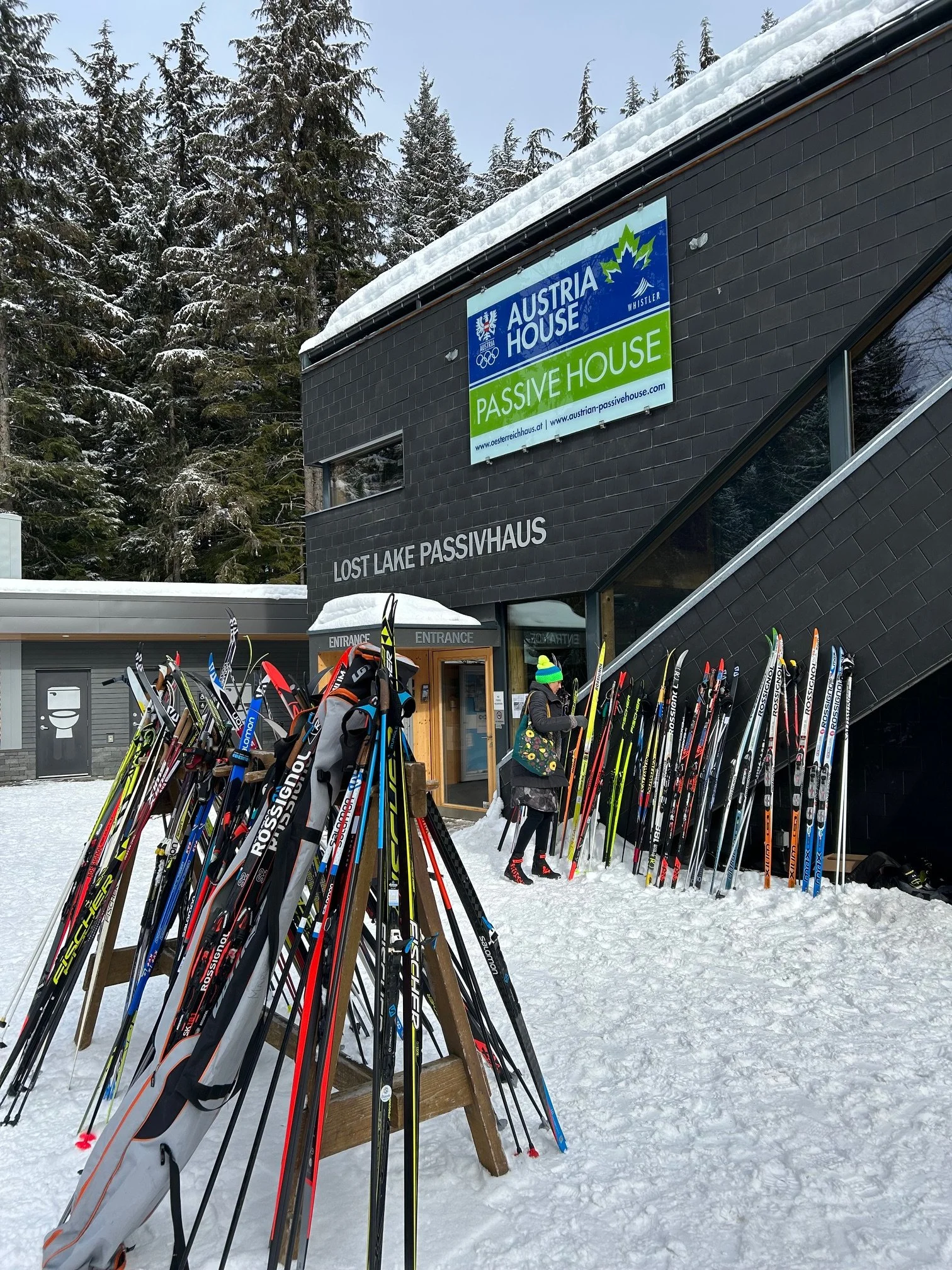
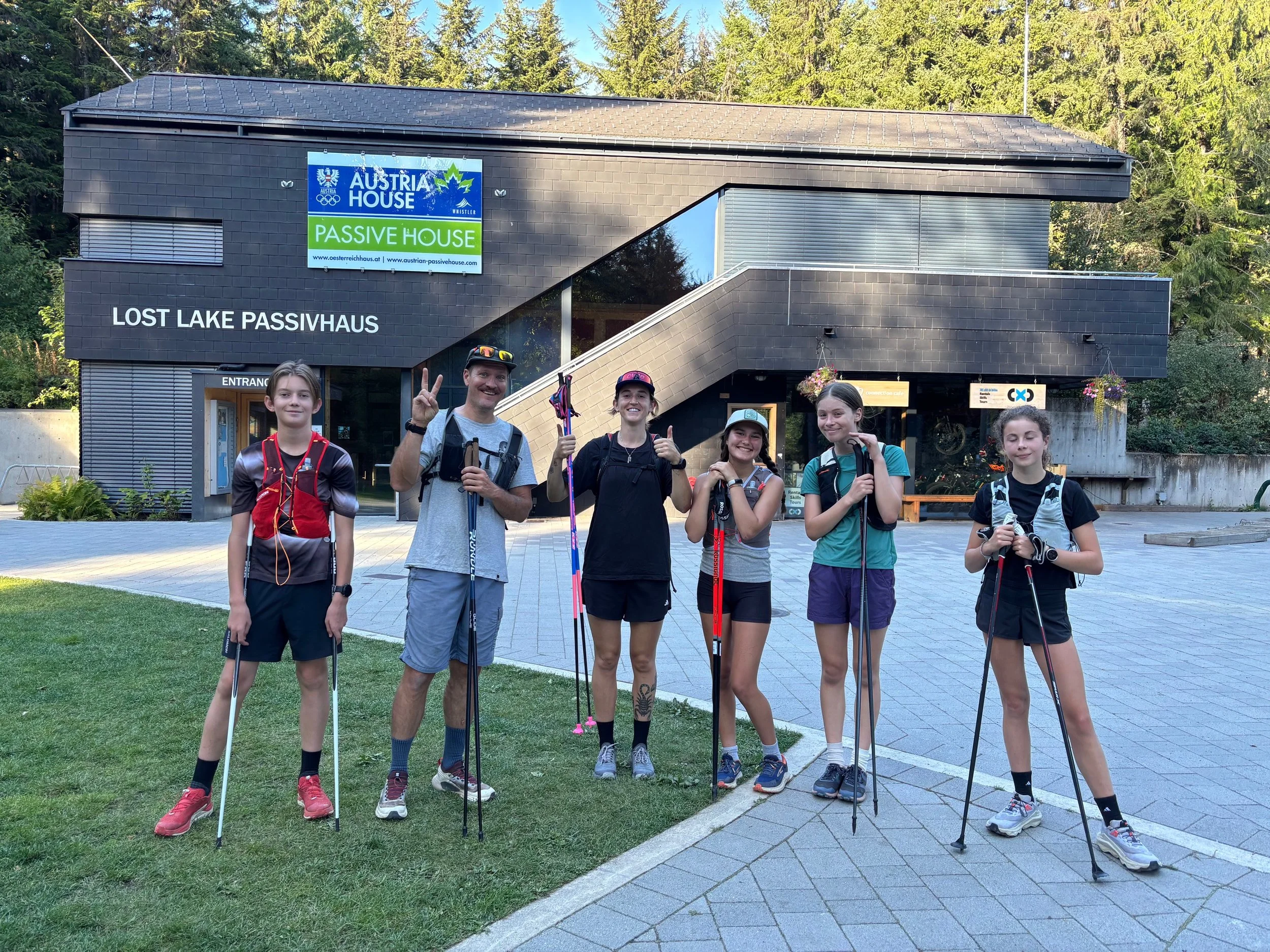
Built as the Austria House for the 2010 Olympic and Paralympic Winter Games, the structure was a gift from the Austrian Passive House Group, a partnership between the Austrian government and private companies. Constructed with local contractor Durfeld Log Construction, it became the first certified Passivhaus in Canada and served as a hospitality venue during the Games.
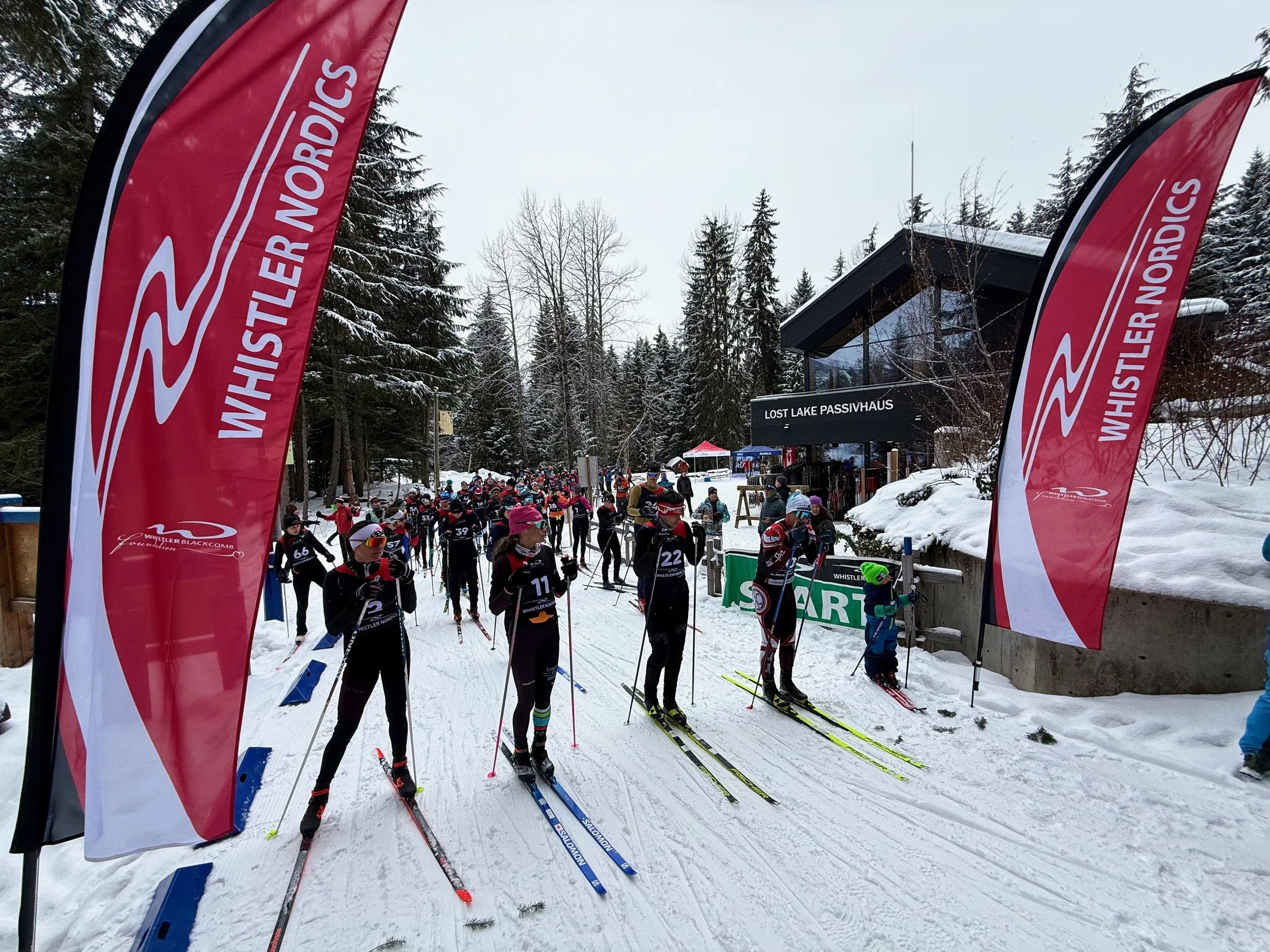
On March 22, 2010, the building was gifted to RMOW to remain in public use. In the years that followed, agreements between the RMOW, Whistler Nordics, and the Whistler Off Road Cycling Association (WORCA) transformed it into the Lost Lake PassivHaus, a shared year-round clubhouse. A $150,000 donation from the Whistler Blackcomb Foundation, supported by volunteers including Brent and Margot Murdoch as well as Craig Mackenzie (WORCA President), funded upgrades for community use, establishing winter use by Whistler Nordics and summer use by WORCA.
Today, the PassivHaus serves as the primary clubhouse for Whistler Nordics programs, hosting training, races, meetings, and social events—an enduring legacy of the 2010 Games and a hub of community life at Lost Lake.
-
Lost Lake remains the heart of cross country skiing for Whistler Nordics, where youth and adult programs, social ski nights, loppets, and races continue.
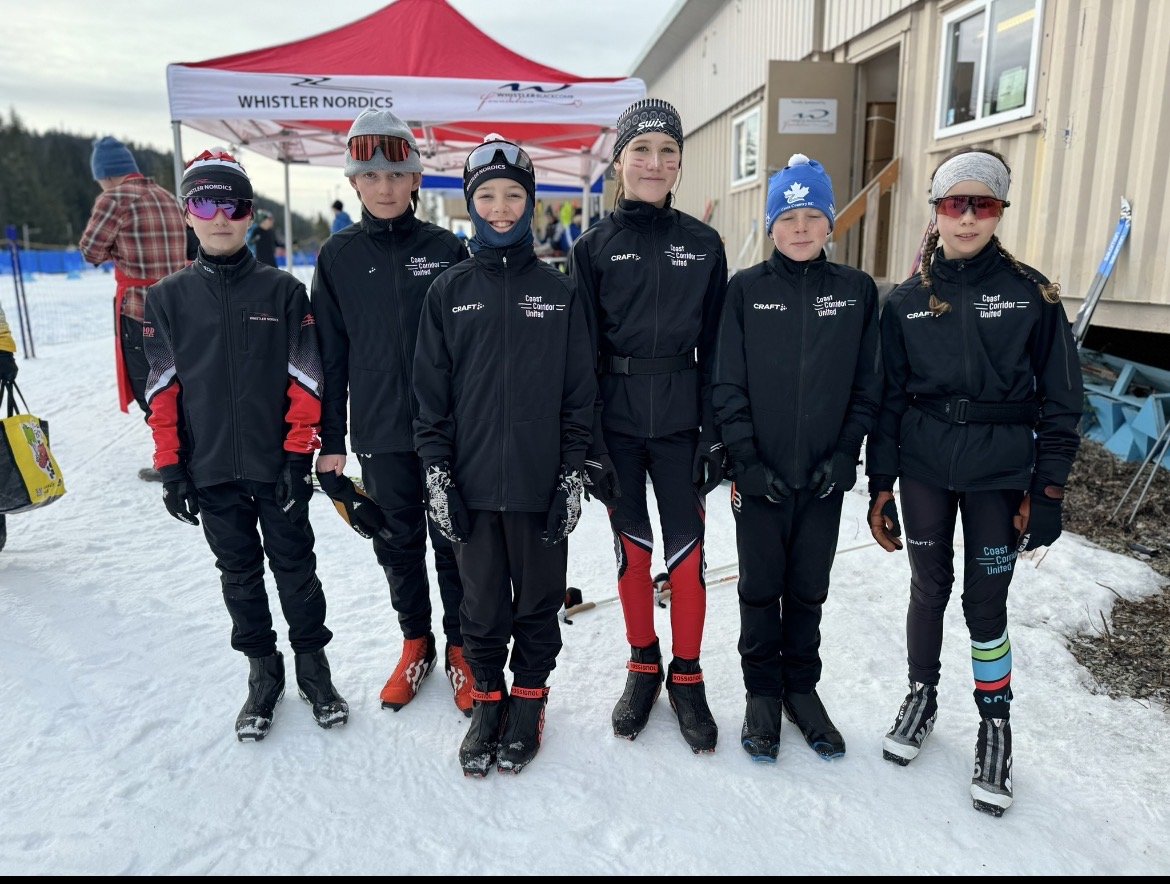
A reinvigorated corridor club race program (Coast Corridor United) and event schedule has deepened ties across the region and introduced a new generation to regional, provincial and national competition.As of 2026, club membership is approximately 250, reflecting sustained local participation across the Sea to Sky corridor.